

Technology
Light from inside.
Built for the molecules that are tough to break.
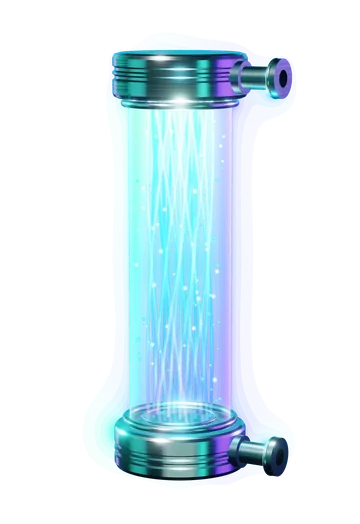
Vāsuqi is a polishing step for industrial wastewater: visible light, carried inside the water, onto a catalyst fixed in place. Here is how it works, and what is published, built and still a target.
- In
Contaminated effluent enters.
- Light
Visible LEDs send light through light-guiding fibres that run through the whole volume.
- Catalyst
Where light meets the catalyst coating, reactive oxygen species form and break the harmful molecules apart.
- Out
Polished water leaves. The catalyst stays in place.
Concept render · not to scale
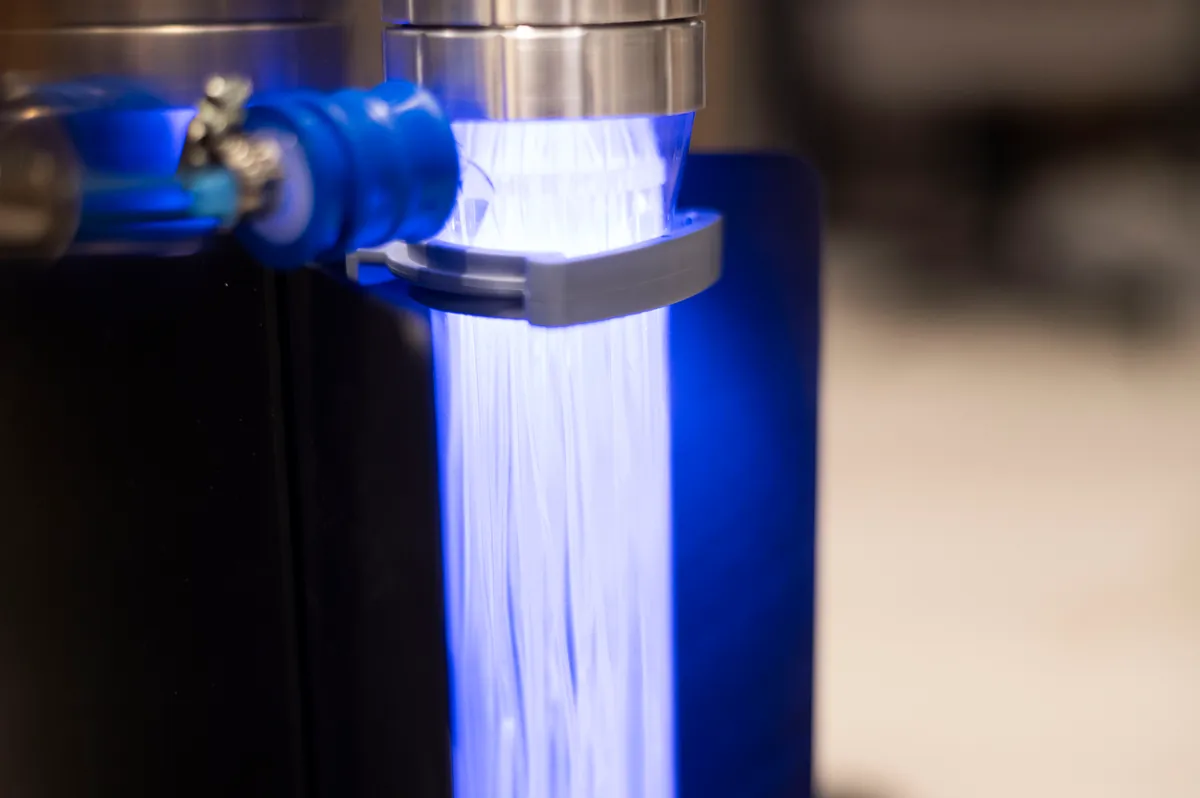
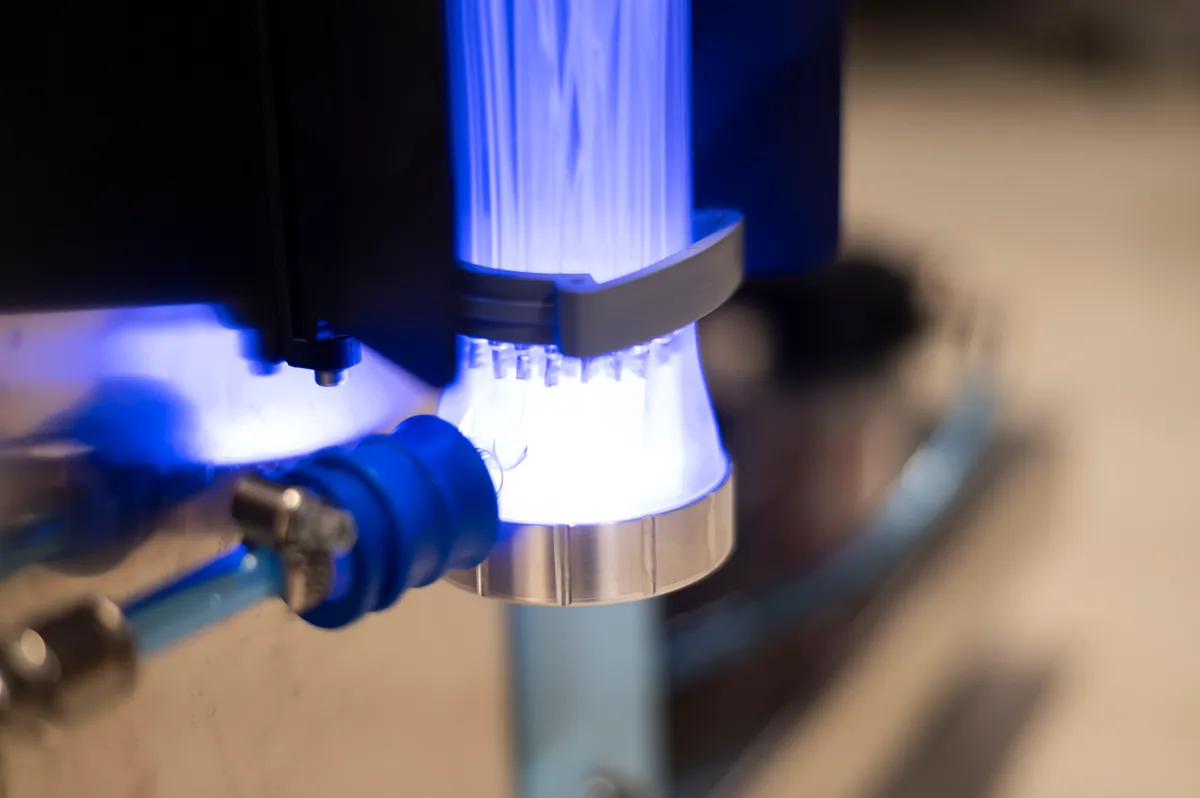
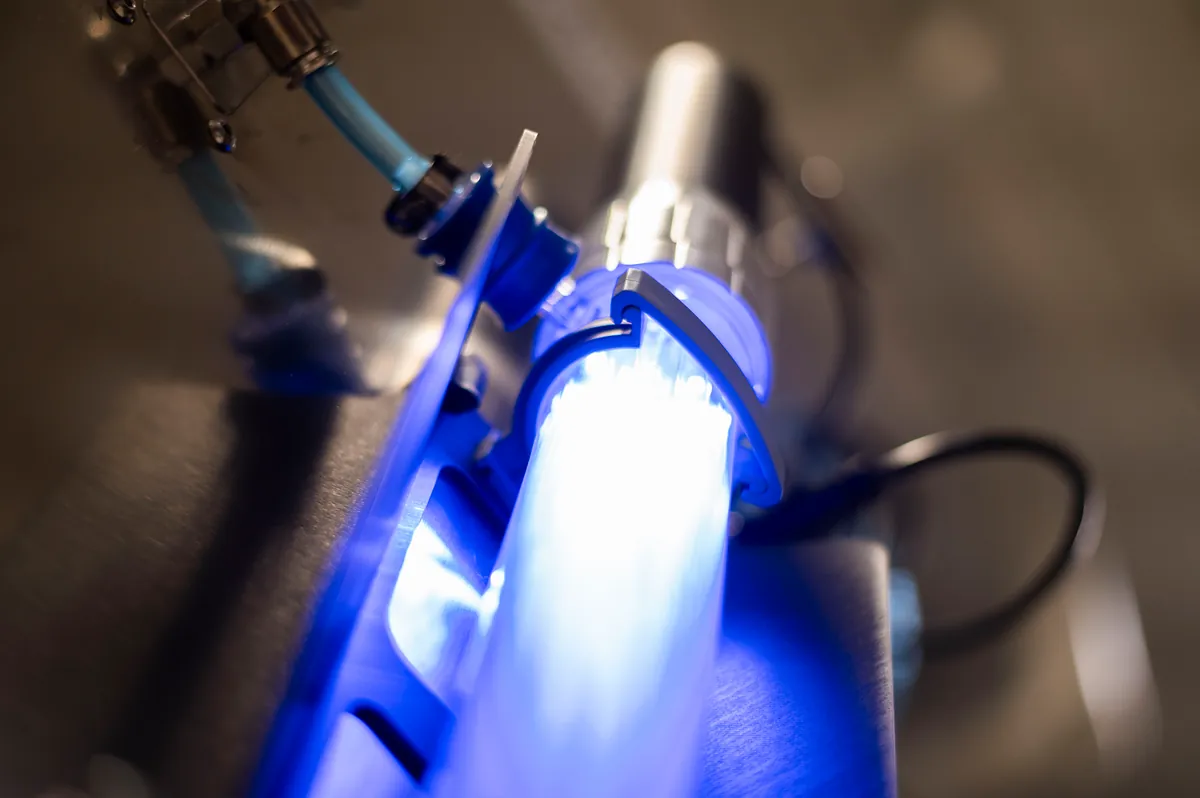

Lit fibres · photograph
Light
Visible light — no UV lamps.
In murky or coloured water, light shone in from outside fades within a short distance. Light-guiding fibres carry it through the whole volume instead.
The target
Tough to break.
Pharmaceuticals, pesticides, dyes, hormones, solvents and process chemicals, in the wastewater of pharma, chemicals, food and beverage, and textiles.
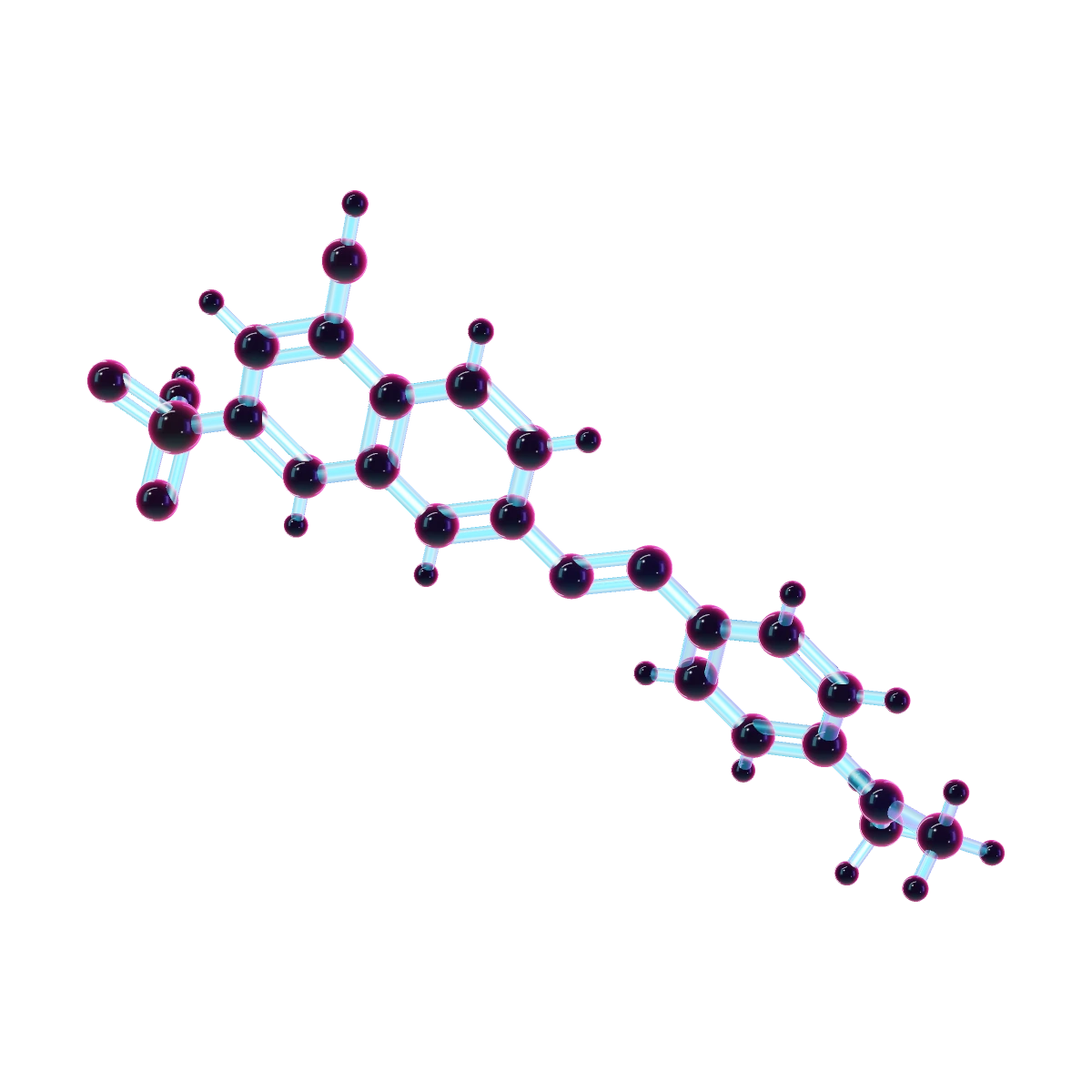
Persistent
Many are made to last. A medicine has to survive the body; a dye must not fade.
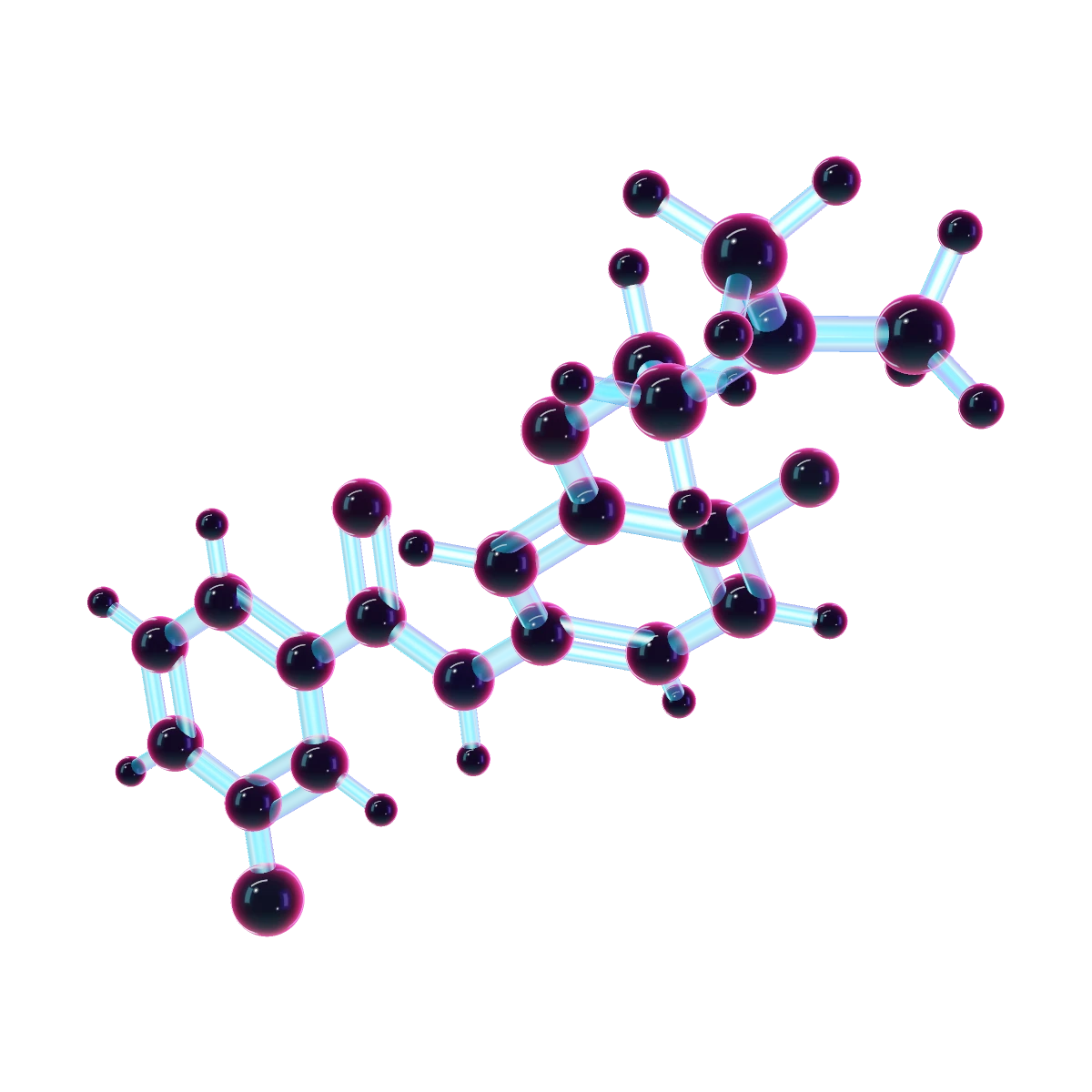
Stable
Strong bonds and ring structures that biological treatment does not readily open.
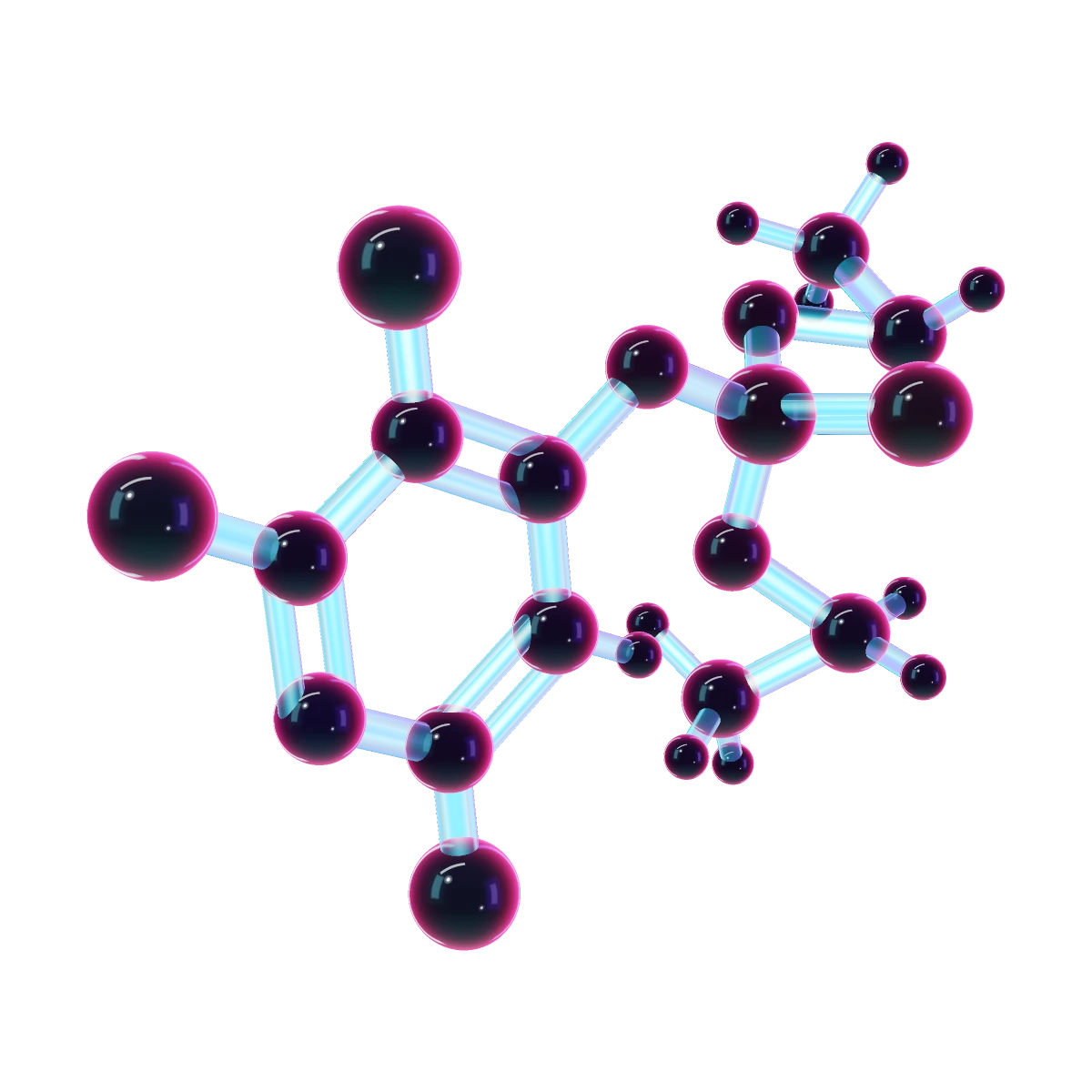
Very small
Small, often polar molecules at trace levels. Some slip through membranes, and there is too little of each to capture easily.
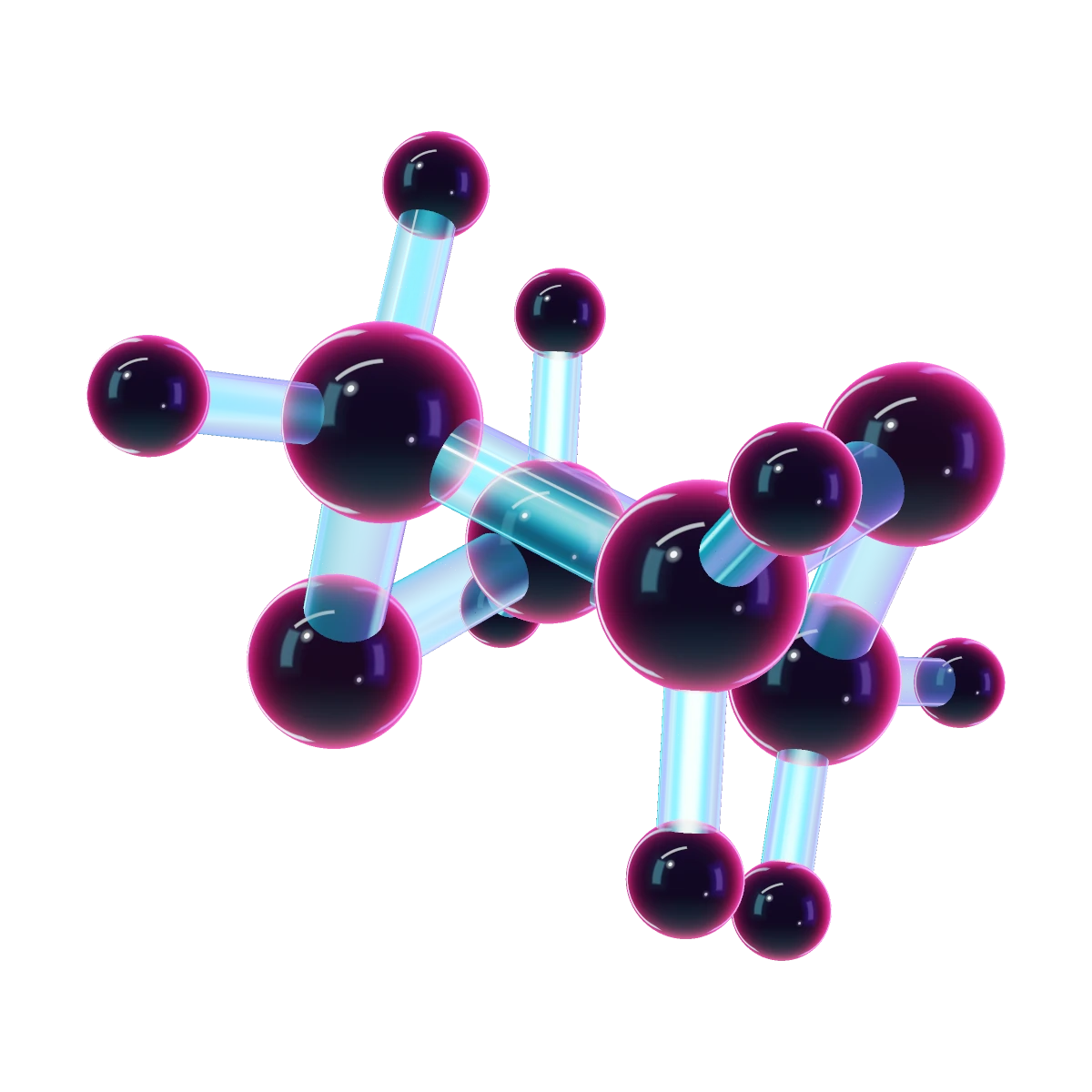
Volatile
Some leave the water for the air before they can be treated.
Illustration · generic molecular shapes
Where it fits
A polishing step, after the treatment you already have.
Vāsuqi sits at the tail of the treatment line, wherever the tough fraction remains:
- after biological treatment
- on membrane permeate or concentrate
- on evaporator condensate
- in zero-liquid-discharge trains

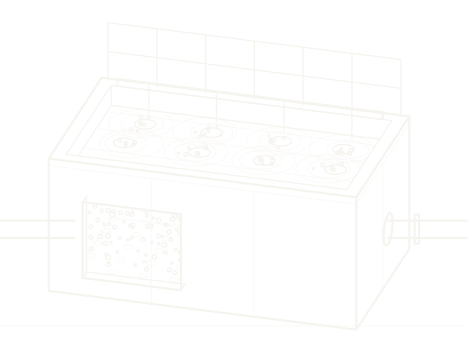

Existing treatment
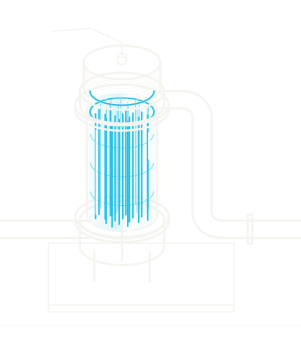
Concept drawing · illustrative

The catalyst
A visible-light catalyst, developed at DTU.
CN/BOC (g-C₃N₄ / Bi₁₂O₁₇Cl₂)
Light gives it energy.
It uses that energy to make short-lived reactive oxygen species at its surface, which break the harmful molecules apart.
Fixed in place.
The catalyst coats the fibres. It is not dosed into the water, and nothing has to be recovered from the water afterwards.

Complete destruction of some of the toughest pharmaceutical compounds — in hours, not days.
Published, DTU · F. Wu et al., Separation and Purification Technology 364 (2025) 132394
Where we are
Lab to real effluent.
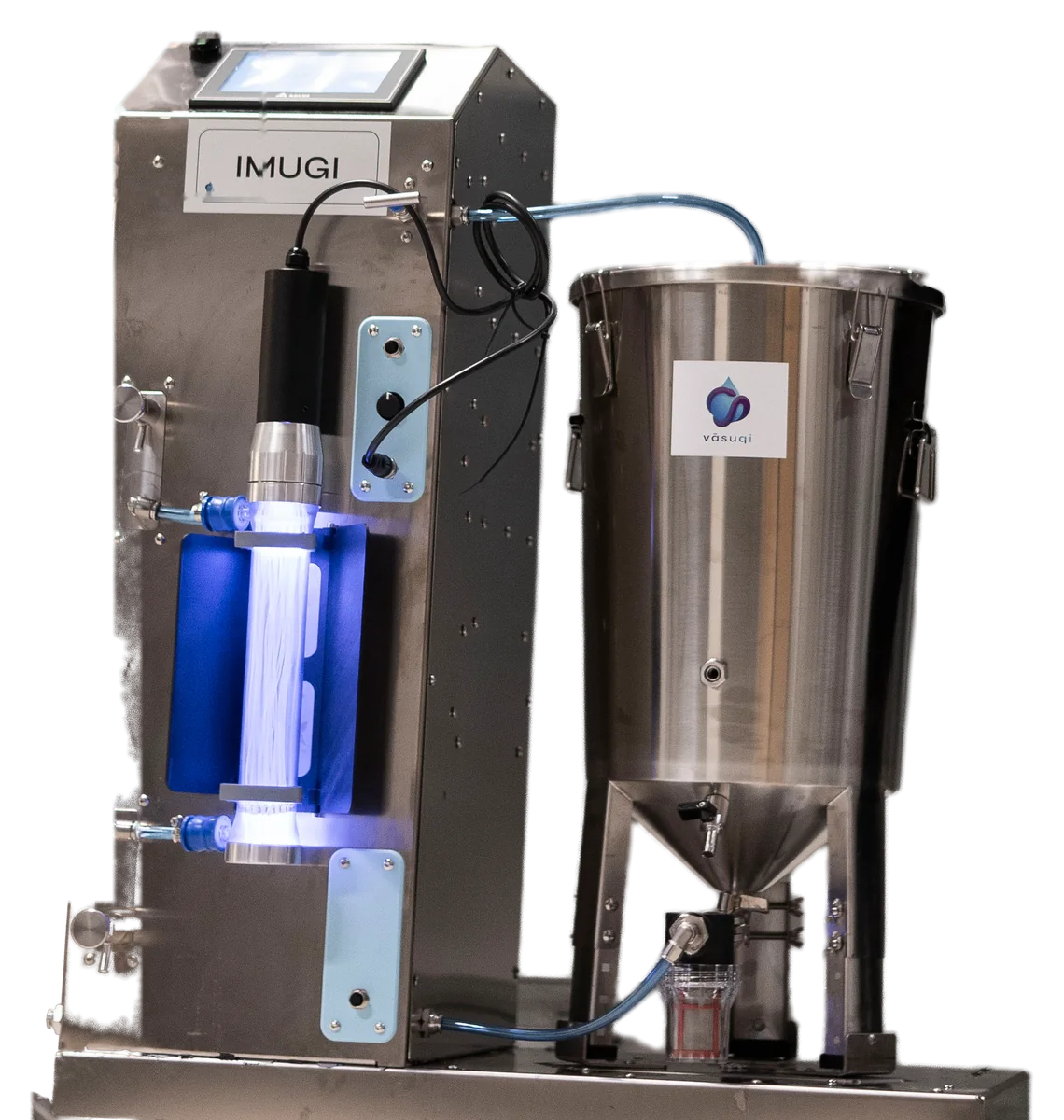
TRL 3, approaching TRL 4
Road to TRL 4
- Done: Catalyst chemistry published — DTU
- Done: IMUGI built: our fully automated, flow-through, visible-light test unit. Third generation.
- Done: Two European patent applications, filed June 2026.
- Real industrial effluent tests — under way.
- Module design scaling up for larger flows — under way.
- Coating the catalyst onto fibres, with a coating partner — under way.
Targets
Design target: under 5 kWh/m³ at polishing-stage COD loads. Bench validation in progress.
Module pilot-ready — end 2027 / early 2028
First on-site system, ~100 m³/day, fully functional — end 2028 / early 2029

Business model
Sold like a membrane skid.Serviced like one.




Concept render · not to scale
Same pump, same plumbing. Planned skids of 50–500 m³/day, sold or leased.
Annual cartridge replacement, like a membrane element swap.
Pay per m³ treated.
Questions
Plain answers.
Does Vāsuqi add chemicals to the water?
No dosed oxidant. The catalyst is fixed in place inside the module; it is not dosed into the water.
What is left afterwards?
The harmful molecules are broken apart. The salts that were already in the water stay in it. There is no iron sludge and no concentrate stream to haul, and the catalytic cartridge is replaced on a service schedule.
How far along is it?
The catalyst chemistry is published. Our own reactor is at TRL 3, approaching TRL 4: real industrial effluent tests are under way and the module design is scaling up for larger flows. Every energy number we give is a design target until bench data says otherwise.
Can you test our water?
Yes. We are now partnering for real-effluent pilots.
Talk to us about a pilot